Free AI Free Verse Poem Generator
No meter, no rhyme — just line breaks doing the work. The hardest form to fake and the easiest to read.
Your piece appears here as it is written. Nothing is saved on our side — the draft stays in this browser.
Free verse is poetry without meter or rhyme, which means the line break is the only instrument left. That is why most AI free verse reads like a paragraph chopped at random: the breaks are typographic, not meaningful. This generator is instructed to break where the sentence turns or where a single word deserves its own line.
It is the most forgiving form to start with and the most useful in practice: captions, zine pages, wedding readings, the poem you want to put on a card but cannot write yourself. Give it a scene with a stake in it. "The week after the funeral, emptying the fridge" is a poem waiting to happen; "grief" is a prompt for a greeting card.
What the free verse poetry generator actually does
 01
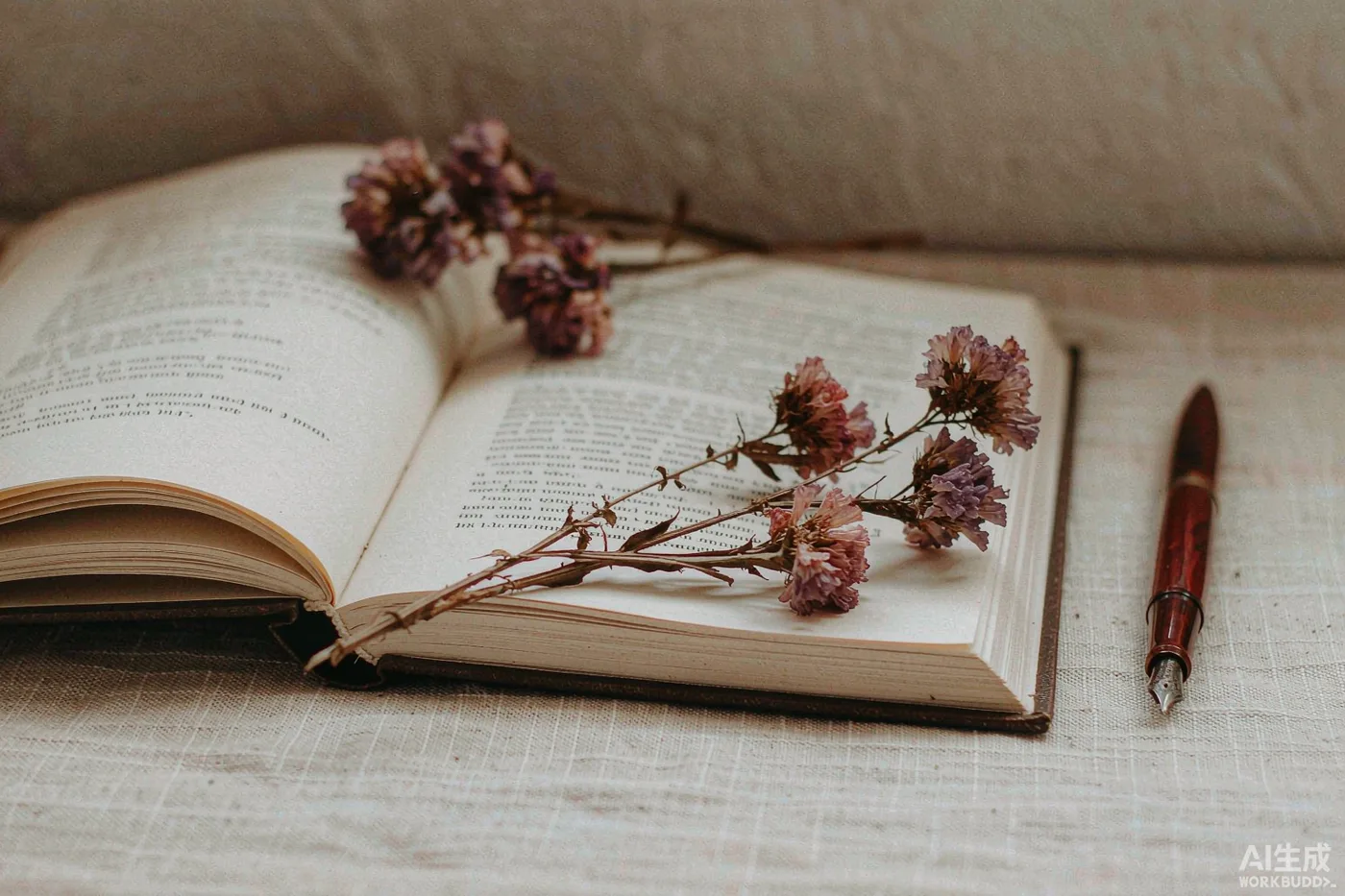
Line breaks with intent
Breaks fall where the sentence pivots, not at a fixed character width, which is what separates free verse from prose.
 02
Images instead of statements
The prompt pushes toward concrete nouns and cuts lines that could belong to any poem.
 03
A turn, not a moral
Each poem is required to reveal something and then stop, rather than explain what it meant.
 04
Length you control
Ask for eight lines or forty. Short poems are harder and usually better; the generator will keep it tight if you say so.
How to write a free verse poetry
- 1
Start with a scene
A place, a time, one object. Specificity is the entire craft of free verse, and the model mirrors whatever specificity you give it.
- 2
Generate, then read aloud
Free verse is judged by ear. Read it once silently and once out loud; the line that trips you is the line to change.
- 3
Steer the ending
Ask for a colder ending, an earlier cut, or a final image instead of a final thought. The last three lines decide the poem.
Questions about AI free verse poetry
What makes free verse different from prose?+
The line break. In free verse the break is a decision the poet makes for rhythm or emphasis; in prose the line ends wherever the margin is.
Does free verse have to be short?+
No, but short is harder. Ask for a specific length — eight to twelve lines is a good target for a first draft.
Why does AI free verse often sound generically poetic?+
Because it reaches for abstractions (silence, hollow, ache) instead of objects. Give the model concrete details in the prompt and it will stay concrete.
Can I ask for a specific voice?+
Yes. "Plain and flat, no metaphors" or "dense and associative" both work as directions and change the output more than any other instruction.
Can I publish what I generate?+
You own the output. Literary magazines increasingly ask about AI assistance — check the submission guidelines of wherever you send it.
Can it continue a poem I started?+
Yes. Paste what you have, add a direction, and it will extend from where you stopped in the same voice.
More poetry
Try it with your own starting point
Free, no account needed. Signing in unlocks the stronger model and keeps your drafts across devices.