Free AI Extreme Horror Story Generator
The body is the plot. Nothing gets explained, nobody gets saved, and the last line does not look away.
Mature content. Violence, bleak endings and morally grey characters are allowed here. Sexual content involving minors is blocked everywhere on this site, in every section, with no setting to turn it off.
Your piece appears here as it is written. Nothing is saved on our side — the draft stays in this browser.
Extreme horror is not ordinary horror at a higher volume. It is a refusal of the two moves that make horror comfortable: explanation and rescue. A story that tells you what the thing is and then lets someone out has been a puzzle, not a threat. What remains when you remove both is a body, a room, and a reader who cannot get ahead of either.
Lead with a wrong measurement. "The mattress is warm in the middle" works because it is specific and checkable, while "a sense of dread" gives the model nothing to build. Then say what you can tolerate — teeth, insects, a child in danger — because some of those are limits rather than prompts. Naming your limits produces a better story than a general request to go dark.
What the extreme horror generator actually does
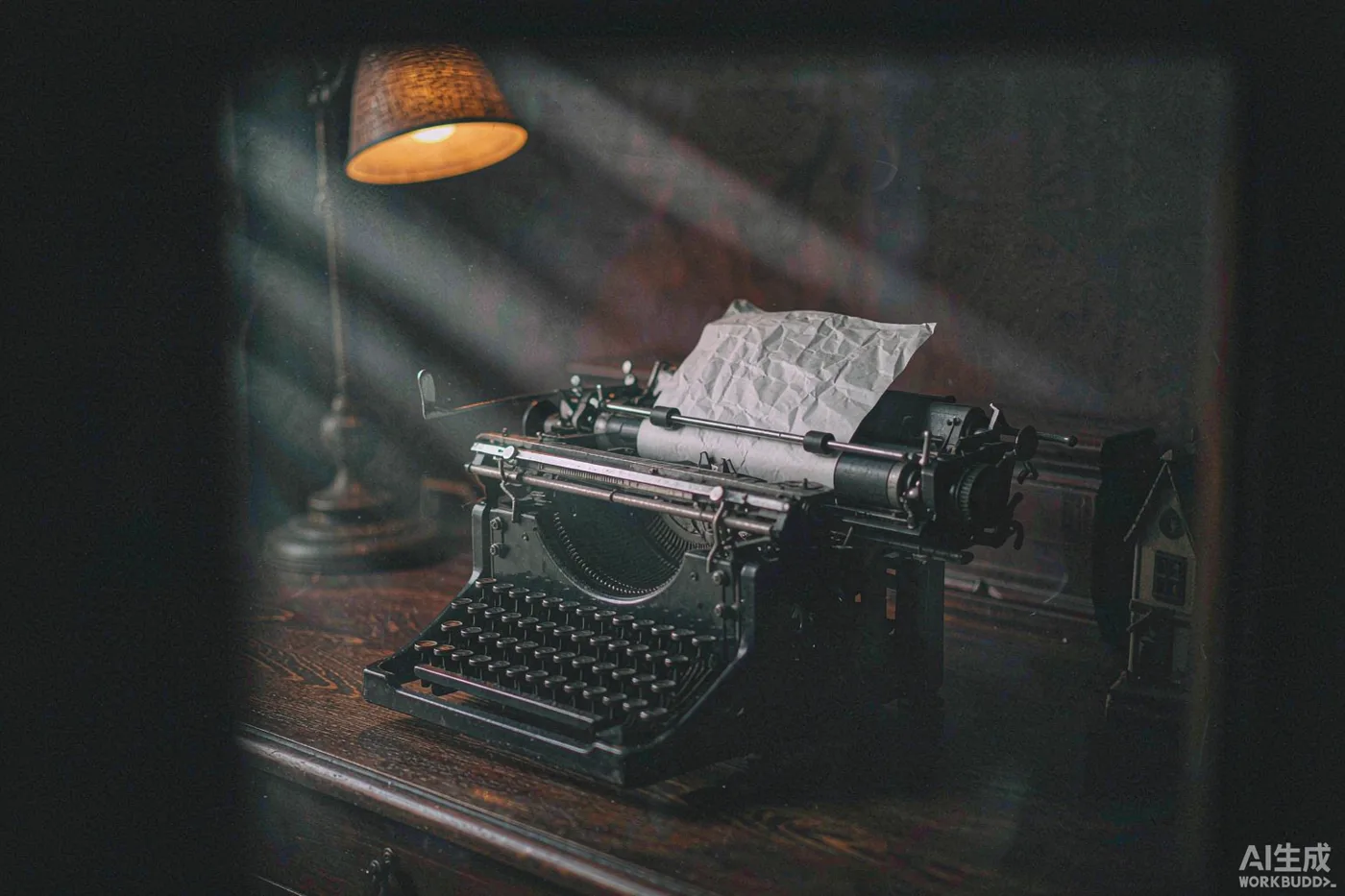 01
A wrong detail, not a mood
Every draft opens on something measurably incorrect: a temperature, a count, a sound with no source. Concrete wrongness is what makes a reader check their own room, and it is the fastest door into the genre.
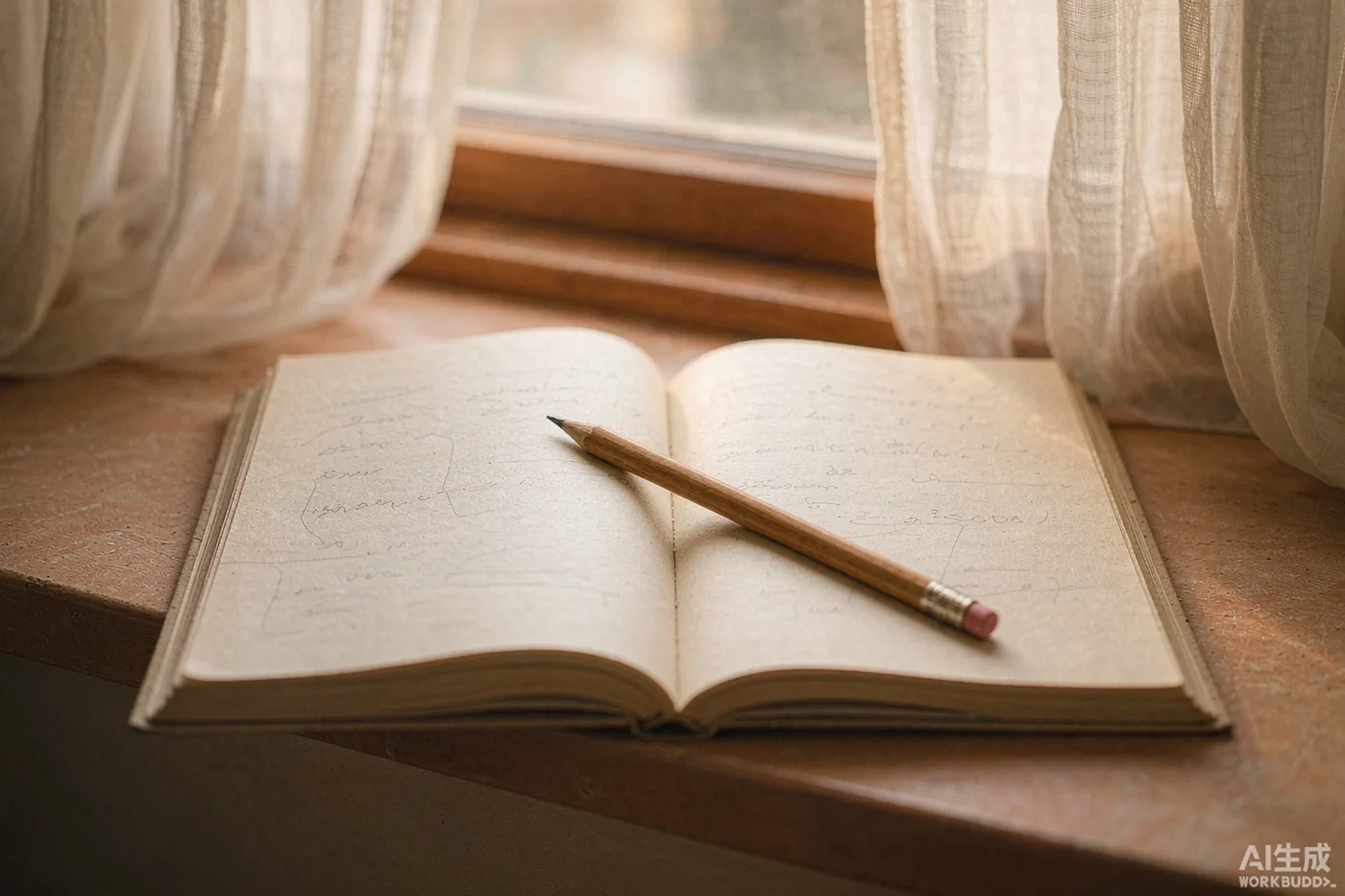 02
The monster stays unexplained for good
No origin, no rules, no weakness. Explanation converts fear into information, and information is comfort. The prompt holds the thing off the page so the reader keeps supplying it from their own head, which is always worse.
 03
Body horror that has a job to do
Violence is specific — texture, number, pressure, smell — and each violation has to change what a character does next. Gore that changes nothing is decoration, and decoration is exactly where extreme horror becomes boring.
 04
No rescue in the last line
The story ends on the intrusion rather than on an escape, and competence does not save anyone. That is the difference between extreme horror and a thriller that happens to have one unpleasant scene in the middle of it.
How to write a extreme horror
- 1
Start with the wrong detail
A warm mattress, a door one step too far from the wall, a second row of teeth. It must be small, checkable and specific. Small wrongness escalates; large wrongness simply announces itself and stops being frightening.
- 2
State your limits up front
Say what you will not read: children, animals, eyes, sexual violence. Naming the boundary keeps the model from spending the draft on the one thing that will make you close the tab before the second page.
- 3
Choose the last image
Decide whether the story ends with the thing inside the house, inside the body, or simply continuing. All three work. The failure mode is a closing paragraph that explains what it all meant.
Questions about AI extreme horror
How is extreme horror different from regular horror?+
It removes explanation and rescue, and it does not soften the body. Regular horror often ends with the threat named or survived; extreme horror ends with the intrusion intact. The difference is structural, not a matter of more blood per chapter.
Can AI write horror that is actually scary?+
It can build dread if you give it specifics and forbid the escape hatches. Scares come from withheld information and physical detail, both of which are controllable. It will not invent the one image that frightens you personally, so feed it something you already find wrong.
Does it write body horror?+
Yes, and the prompt keeps it specific rather than goopy: texture, number of joints, pressure, smell. It also requires each violation to change a character’s next move, so the draft does not turn into a list of injuries with no plot attached to them.
What are the content limits here?+
Sexual content is implied, never depicted, and any sexual content involving minors is refused outright, with no exceptions and no workaround. Violence, body horror and bleak endings are all allowed. Adult readers are the assumed audience for everything in this section.
Can I use a real place or a real person?+
A real town or building works well, because local detail does half the work for you. Do not use a real, identifiable person as a victim, and be careful with anything that reads as a threat. Fiction is broad, but publishing is public.
Why does the story end so abruptly?+
Because it ends on the intrusion instead of a resolution. That is deliberate: a final paragraph of explanation would undo the effect the whole draft has been building. If it feels too abrupt, add one more wrong detail before the cut rather than a closing reflection.
More unfiltered
Try it with your own starting point
Free, no account needed. Signing in unlocks the stronger model and keeps your drafts across devices.